
Nordic Neuroscience Meeting · Reykjavík, 14–16 June 2027
Confirmed keynote speakers
Five plenary speakers have agreed to give the plenary lectures at the Nordic Neuroscience Meeting in Reykjavík. Together they span circuits and internal states, brain development, prefrontal cognition, brain ageing, and the choroid plexus and CSF system.
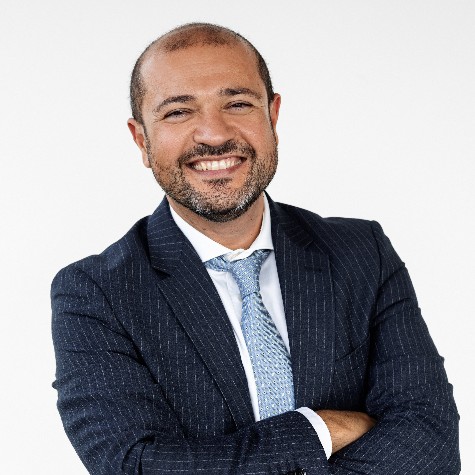
Professor Emre Yaksi
Professor, Kavli Institute for Systems Neuroscience, NTNU, Trondheim, Norway
Emre Yaksi studies how brain circuits process sensory information and how this processing interacts with internal states and behaviour. His group combines functional imaging, optogenetics, electrophysiology, molecular genetics, spatial transcriptomics and quantitative behaviour, working mainly in zebrafish, with a strong line of work on the habenula and on circuit dysfunction in epilepsy.
He trained in molecular biology at Middle East Technical University, Ankara, and completed his PhD in 2007 with Rainer Friedrich at the Max Planck Institute for Medical Research, Heidelberg. After postdoctoral work with Rachel Wilson at Harvard Medical School, he led a group at Neuroelectronics Research Flanders (VIB, KU Leuven) before moving his laboratory to the Kavli Institute in Trondheim in 2015, where he has been full Professor since 2017. He was among the first FENS Kavli Scholars and serves on the FENS Executive Committee.
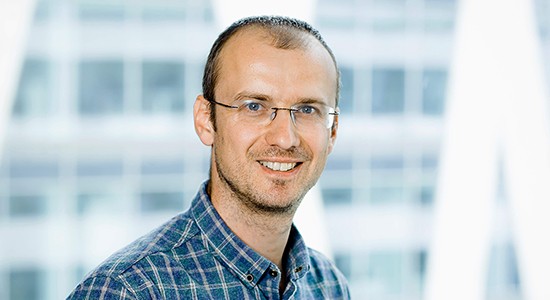
Professor Konstantin Khodosevich
Professor of Neurodevelopmental Disorders, Biotech Research and Innovation Centre (BRIC), University of Copenhagen, Denmark
Konstantin Khodosevich asks how the brain builds its architecture during development and what goes wrong in disorders such as schizophrenia, autism and epilepsy. His group uses single cell and spatial omics in animal models and human tissue to study how neurons are specified, migrate and assemble into circuits, with a particular focus on fast spiking interneurons and their metabolic vulnerability. A central aim is to map how genetic and environmental risk factors act during critical developmental windows, and when circuits are most open to intervention.
He has led a group at BRIC since 2015, supported early on by a Novo Nordisk Foundation Hallas Møller Investigator grant, and was appointed Professor of Neurodevelopmental Disorders in July 2023.
Professor Marie Carlén
Professor of Neuronal Networks, Department of Neuroscience, Karolinska Institutet, Stockholm, Sweden
Marie Carlén investigates the cellular and circuit basis of cognition, with the prefrontal cortex as her focus. Her laboratory combines high density electrophysiology, calcium imaging and optogenetics in rodents to characterise cognitive processing across prefrontal subregions, with the longer term goal of defining what is functionally distinctive about the mammalian prefrontal cortex. Her group's activity based map of the mouse prefrontal cortex, built from more than 24,000 recorded neurons, was published in Nature Neuroscience in January 2026.
She received her PhD from Karolinska Institutet in 2005, working with Jonas Frisén, and as a postdoctoral fellow studied how parvalbumin interneurons relate to cortical oscillations and cognition. She returned to Karolinska in 2010 to establish her group, became Professor in 2022, is a Wallenberg Scholar, and has been a member of the Nobel Assembly at Karolinska Institutet since 2025.
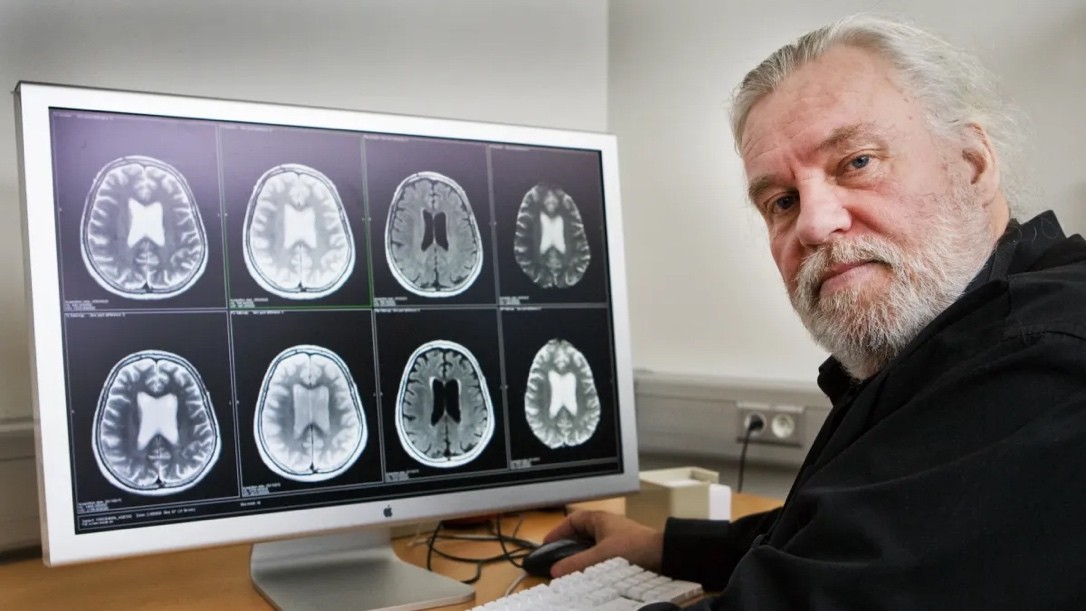
Professor Vilmundur Guðnason
Director, Icelandic Heart Association (Hjartavernd), and Professor, Faculty of Medicine, University of Iceland, Reykjavík, Iceland
Vilmundur Guðnason works in epidemiology and genetic epidemiology of chronic disease, with a long standing focus on cardiovascular genetics and on how health, including brain health, changes with age. He has directed two of Iceland's major population studies: the AGES Reykjavik study, one of the most detailed cohort studies of ageing and the factors that shape disease and health in later life, and the REFINE Reykjavik risk factor study. Both build on the Reykjavik Study cohort that the Icelandic Heart Association began in 1967.
He has led the Icelandic Heart Association as chief physician for over two decades while holding his professorship at the University of Iceland. He has contributed widely to international consortia on the origins of cardiovascular and other chronic diseases, appears on the Clarivate list of highly cited researchers, and received the Icelandic Order of the Falcon for his contributions to cardiovascular research and prevention.
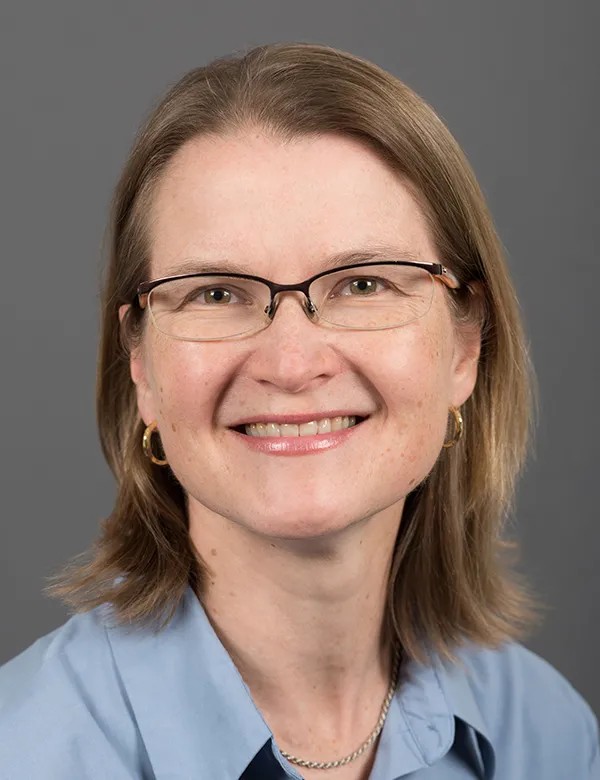
Professor Maria Lehtinen
Chair in Pediatric Pathology Research, Boston Children's Hospital, and Professor of Pathology, Harvard Medical School, USA
Maria Lehtinen has made the choroid plexus and cerebrospinal fluid a central topic in brain biology. As a postdoctoral fellow with Christopher Walsh she showed that factors in the CSF actively regulate brain development, and her laboratory now studies the choroid plexus and CSF system across brain development and lifelong health. Recent work shows the choroid plexus coordinating immune responses to brain inflammation and acting as a first responder after intraventricular haemorrhage, pointing to new therapeutic routes for post haemorrhagic hydrocephalus in preterm infants.
She trained in neuroscience at the University of Pennsylvania, completed her PhD in Neurobiology at Harvard, and carried out postdoctoral work at the University of Helsinki, studying epilepsy, and at Harvard Medical School. Her awards include the Presidential Early Career Award for Scientists and Engineers (PECASE), the New York Stem Cell Foundation Robertson Neuroscience Investigator Award and the H.W. Mossman Award in Developmental Biology.